 James Okafor
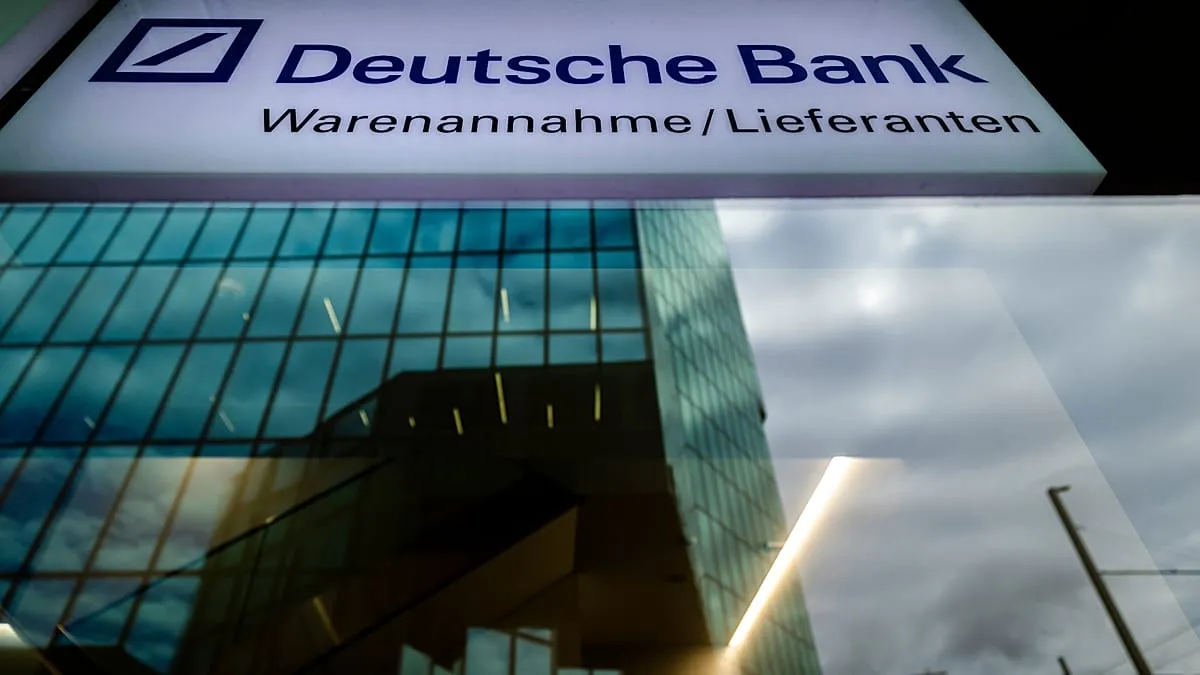
A German state data regulator opened an investigation into Deutsche Bank on Wednesday over a huge data leak. The authority is looking into possible data protection violations.
The office of the data protection commissioner in Hesse said Wednesday it had launched a probe into Deutsche Bank after the leak of more than 15 million internal records.
Commissioner Alexander Rossnagel said he will examine whether the bank had adequate data protection measures in place and whether the leak was reported on time.
"I am investigating whether Deutsche Bank promptly notified the affected individuals," Rossnagel said.
Whistleblowers handed internal documents to a group of international media outlets. The material showed the bank had reportedly brushed aside repeated internal warnings about money laundering, corruption and sanctions violations.
Its clients include Russian oligarchs, US President Donald Trump and sex offender Jeffrey Epstein.
Deutsche Bank CEO admits errors
"When you look at the events today, you naturally question whether something could have been done differently," Deutsche Bank CEO Christian Sewing told the German newspaper Handelsblatt.
"Looking back, you can always say that at a certain point in time you might have been able to prioritise differently," Sewing said.
Asked whether he had taken internal warnings seriously, Sewing pushed back: "During the customer review, I asked whether a private customer needs the same complex process as a large company with 300 subsidiaries," Handelsblatt reports.
"That doesn't mean I wanted to put risks aside."
A blow to Deutsche Bank's reputation
Deutsche Bank says the matters "date back many years" and that it has tightened its controls. Even so, the leak has done real damage to the bank's reputation and its share price fell.
The bank says it informed the relevant authorities about the leak on its own initiative, and that testing found no account information, login credentials or payment data had been accessed.
The probe will not examine the documents themselves. Instead, it will assess the technical and organisational measures in place to judge whether they were appropriate.
Read more


Source: euronews.com