
 Daniel Hartmann
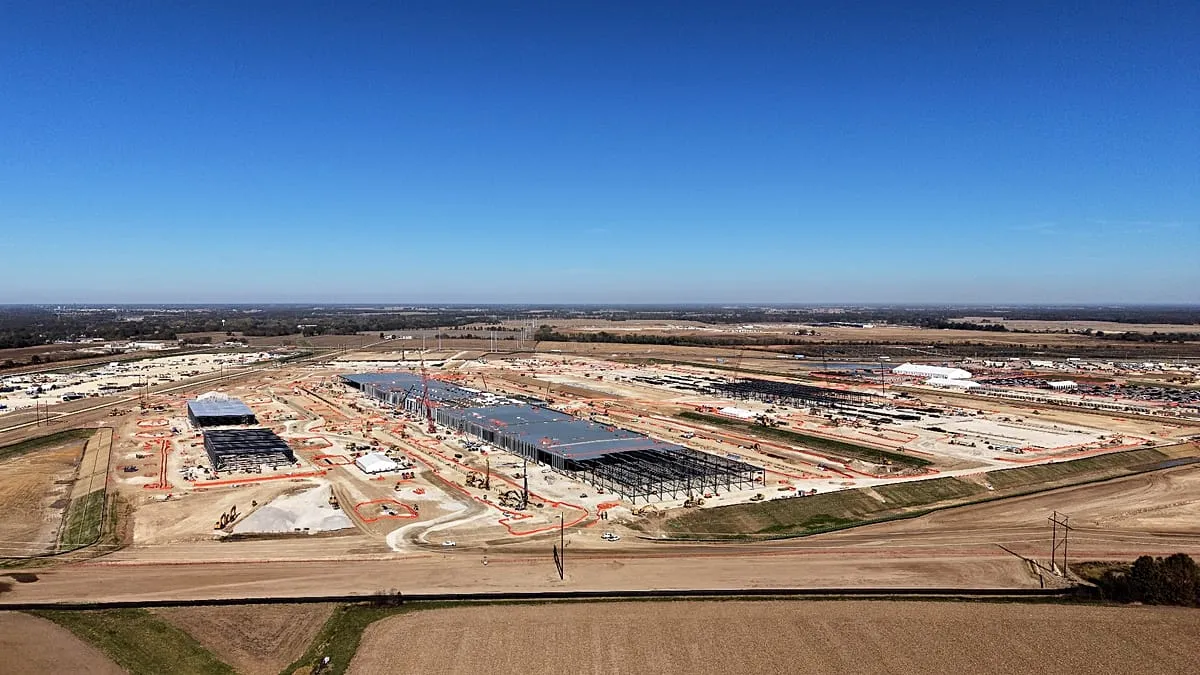
Under the International Energy Agency's (IEA) Stated Policies Scenario, data centres could draw about 1,000 terawatt-hours of electricity every year by 2030.
Electricity consumption by data centres may double by 2030, hitting as much as 1,000 terawatt-hours annually. That would put pressure on power grids and push carbon emissions up by 70%, the International Energy Agency (IEA) says.

In its Stated Policies Scenario report, the agency cautions that growing electricity demand may overload grids and could even hold up new projects.
The report points to data centre developments in Finland, the United Kingdom and the United States, including Texas and Virginia.
By 2035, electricity is expected to make up almost 30% of global final energy consumption, compared with 23% in the IEA's main scenarios.
Peak electricity demand should climb 40% to 50% by 2035, the IEA projects. The report says grids will need 26 million kilometres of new lines by then, and roughly 16 million kilometres of existing lines must be replaced or upgraded.
The IEA also flagged shortages of copper, transformers and cables required for data centres, and it expects grid spending to grow 75% over the next decade.
The findings land as opposition to data centres builds in the US and Europe over their toll on public infrastructure, land, water and energy in local communities.
Read more

Big Tech and green groups discuss the future of data centres in the US

Protests across Europe to call for freeze on new large data centres

What do the US midterm results mean for AI data centres?
- Artificial intelligence
- Technology
- Energy
Source: euronews.com