
 James Okafor
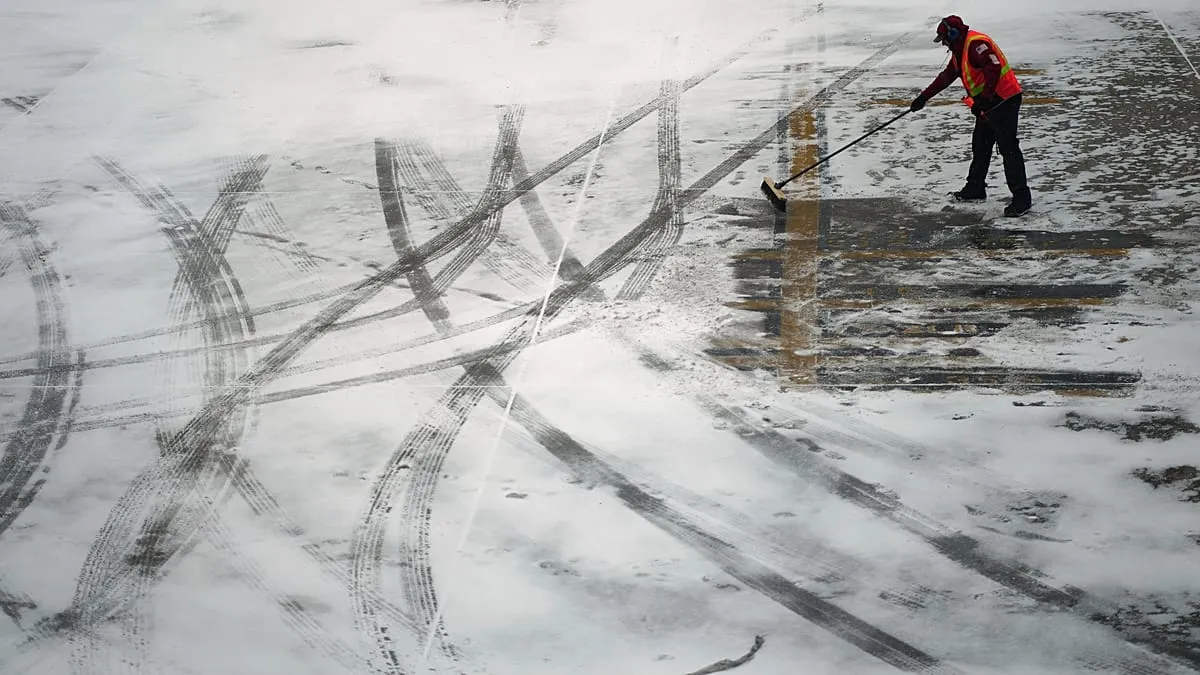
Forecasters say an unusually early breakdown of the polar vortex may raise the odds of cold snaps across the Northern Hemisphere, though what it means for this winter is still unclear.
Forecasters are watching the polar vortex — the huge swirl of frigid air sitting high over the Arctic — weaken far earlier than usual. That opens the door to chillier conditions in parts of Europe, North America and Asia over the coming weeks.
Northern and central Europe could see a higher chance of cold spells, including areas of Scandinavia, the British Isles, Germany and Poland.
Most years the vortex gathers strength through autumn, tops out around January and then slowly fades as winter ends. Big disruptions, which can push Arctic air southward, usually show up between January and March.
This year is different. Scientists spotted signs of trouble in November — something modern weather records have never shown before.
Professor Andrew Charlton-Perez, a meteorologist at the University of Reading, said in a commentary published by the university that a sudden stratospheric warming had never been seen this early in the season.
The polar vortex is a broad zone of low pressure and bitterly cold air spinning high above the Arctic. When it weakens or shifts, the jet stream can warp, and cold Arctic air may spill into lower latitudes.
Scientists weigh possible effects on winter weather
Any effects can take weeks to work down into the lower atmosphere, where weather systems form. What actually happens depends on where high- and low-pressure systems end up.
Researchers are also looking at whether the strong El Niño building in the Pacific plays a role. It can shake up atmospheric circulation and help disturb the polar vortex.
Climate change has been raised as another possible factor in some of the atmospheric processes at work, but no direct link to this exceptionally early disruption has been confirmed.
For now, meteorologists are keeping a close watch. The next few weeks should make clearer whether the disturbance will bring real changes to winter weather across the Northern Hemisphere.
Read more


Source: euronews.com