
 Elena Kowalska
Trade body figures argue that expanding apprenticeships and making a clearer public case for the sector would demonstrate its value to jobs and local economies.
Gambling industry representatives in the UK have urged operators to put more money into apprenticeships and to speak up more forcefully about the employment the sector provides.
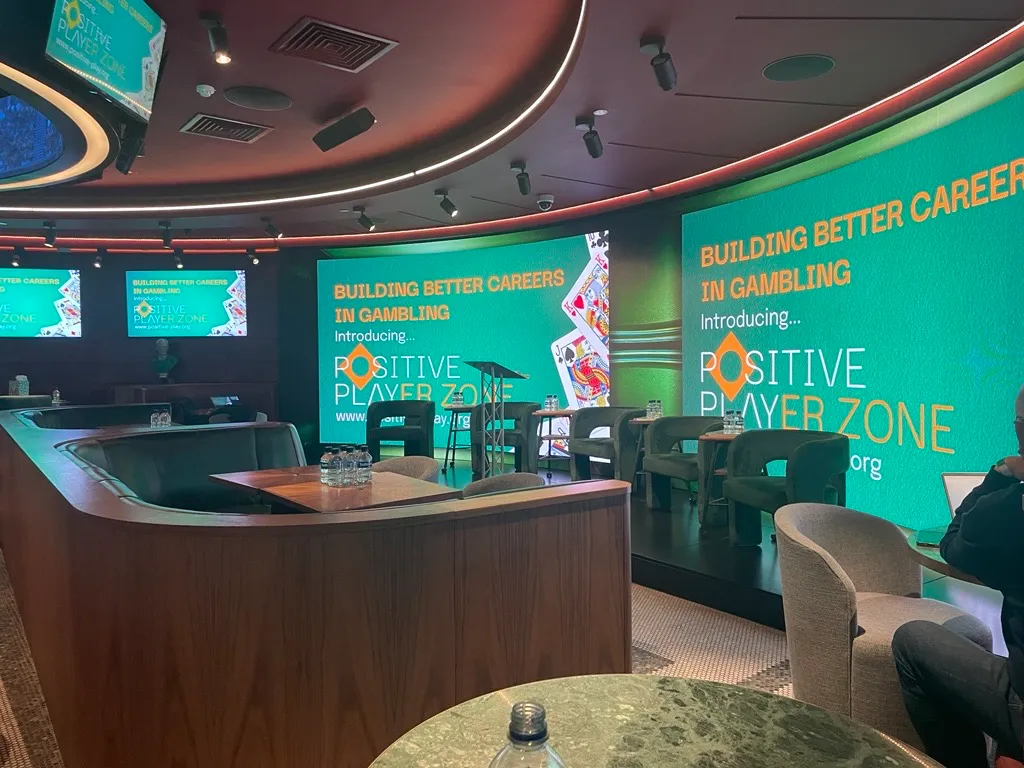
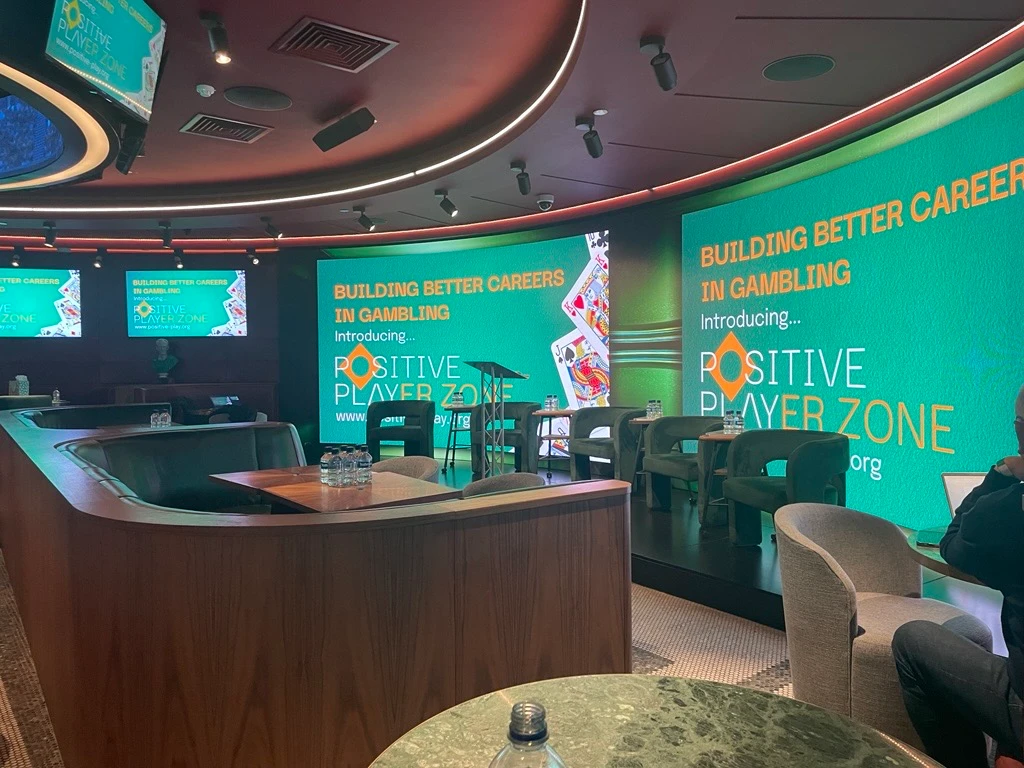
At a panel at the Hippodrome Casino on Wednesday, figures from the Betting and Gaming Council (BGC), Bacta and the Gambling Business Group (GBG) said that if the industry lets reputational problems fester, ministers may step in with fresh regulation.
The event formed part of the broader Better Change campaign, which is pushing for apprenticeships to be rolled out across the sector ahead of Safer Gambling Week.
Panellists argued the industry has a stronger employment and local-economy story than it tells. They also conceded that the sector had been slow to get to grips with some of the concerns raised about it.
Ministers ‘don’t quite understand’ the sector
Robert Gibb, commercial executive director at Bacta, said land-based operators were squeezed hardest because they cannot simply raise prices when costs go up. He pointed to the rise in gaming duty for adult gaming centres (AGCs) and to uncertainty over how those venues will be treated under business-rates relief, both set out in the 2026 Budget.
“Our stakes, our price to play, our revenue is fixed by the government,” Gibb said. “So we can’t pass that cost on.”
Those cost pressures, he warned, could eat into what firms spend on staff. Apprenticeships, he suggested, offer a way to build skills in businesses of every size.
Gibb also said policymakers often fail to grasp how varied the gambling and amusement sector is. Getting them through the door of a venue, he argued, is one way to correct that.
“When you actually bring them in, you let them speak to the staff,” he said. “When you hear the passion from the staff and how the staff care about what they’re doing, the relationship the staff have with the customers, it actually does start to change their minds.”
He laid part of the blame on a general lack of understanding in government about how the industry works.
“I think it’s a real big educational piece in terms of the government. Sometimes I don’t think they quite understand all of the elements of our industry”.
‘Tell the public this is a career path for people’
Peter Hannibal, chief executive of the Gambling Business Group, picked up the theme, saying reputation sits at the heart of the problem.
“When you listen to people like Dawn Butler talking about jobs in high street gaming premises are dead-day jobs, and no career paths, and all. There’s prejudice against the industry, and we are actually good at careers.”
Labour MP Dawn Butler is one of Westminster’s most vocal critics of gambling and has recently campaigned to scrap the “aim to permit” principle. Earlier this year the government said it would repeal the rule for betting shops and 24-hour slot machine arcades across Great Britain, ending the presumption in favour of granting planning permission to such venues.
In England, AGCs offering round-the-clock access to gambling machines will instead have to secure planning approval.
Hannibal returned to his central point: the surest route to a better reputation is investing in the people who work in the industry.
“Apprenticeships are accessible to everyone … .if we can actually tell the public and tell the Dawn Butlers of this world, this is a career path for people…it sort of gives a better message to the public and improves our reputation as a whole industry.”
But he was clear that the industry has to clean up its own act too. Coverage tends to centre on people suffering serious gambling harm rather than the far larger customer base, he said — while accepting that the sector needs to answer back with more confidence and better evidence.
“We have to get better at that,” he said. “We have to talk with confidence, like you said, and get our facts better.”
‘History is our best teacher’
Hannibal said the row over fixed-odds betting terminals (FOBTs) had left a lasting mark on how the public sees the industry. The maximum stake on the machines was cut from £100 to £2 in 2019.
“In hindsight, history is our best teacher,” he said. “We should have done something ourselves about £100 stake machines in betting shops, and we didn’t. So somebody did it for us.”
He wants the industry to get ahead of problems rather than wait for them to be fixed from outside — though he cautioned that further intervention can backfire.
“We’ve got more regulation, more tax, and all those things that are hampering the industry,” he said. “It’s pushing some people away from the regulated market.”
Investment in apprenticeships
Panellists pointed to compliance, data, technology and safer gambling as roles that could form the basis of a career. Jack Naisbitt, head of media and digital communications at the BGC, said the sector should work harder to put those openings in front of school leavers and graduates.
“Working in this career is a career you can work your whole life,” he said, arguing that apprenticeships could turn informal on-the-job training into recognised qualifications.
As regulation has grown, BGC members have enlarged their compliance and safer-gambling teams, Naisbitt said. He asked ministers for more certainty, arguing that firms need confidence before they commit for the long term.
“If you give us a place where there’s some certainty and a bit of clear road ahead, we can look to invest in apprenticeships and young people,” he said.
Hannibal said gambling businesses can sustain jobs and local economies, provided they are allowed to operate on workable terms. “You can’t drive businesses off the high streets,” he said.
The wider picture
The panel met as the Chancellor’s 2026 budget set out a five percentage point rise in Machine Games Duty (MGD), taking it to 25%. The Chancellor said the extra revenue would fund more support for high streets, including business rate relief for high street firms.
UK gambling law is also facing broader scrutiny now that the Gambling Policy Commission (GPC) has been set up. The body says it will re-examine the Gambling Act 2005.
The GPC’s seed funding comes from Derek Webb, a former professional poker player who founded the Campaign for Fairer Gambling and was a leading voice in the push to cut FOBT stakes.
The industry has pushed back against the GPC’s creation, calling it “bizarre” and noting that there “seems to be no gambling industry representation” among its members.
Source: igamingbusiness.com