 Daniel Hartmann
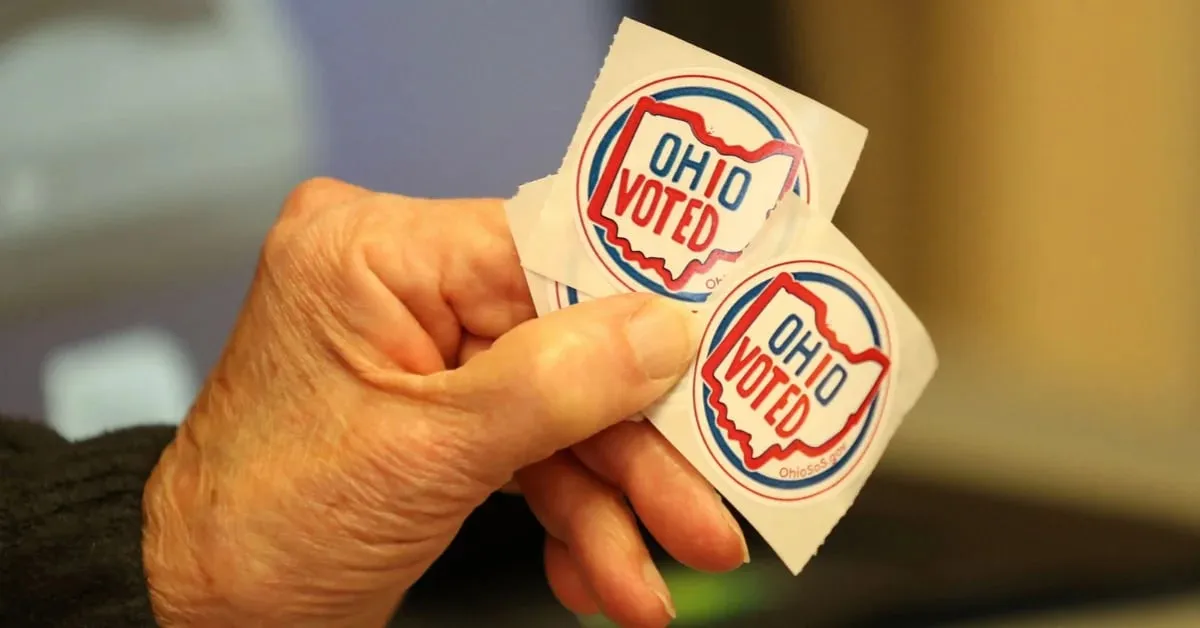
A Democratic state senator from Columbus wants Ohio to outlaw wagering on elections — a ban that would sweep in prediction markets like Kalshi and Polymarket.
Sen. Bill DeMora filed Senate Bill 479 this month. It arrives as bettors have already staked millions on the state's races for governor and U.S. Senate.
The measure also lands amid a larger dispute over who gets to police event contracts in Ohio. A federal appeals court ruled last week that the state can regulate Kalshi — the Sixth Circuit decision we covered earlier — and that has left state officials more confident than ever that these platforms belong under gambling law.
What the Bill Would Change
The text is brief. It amends Section 2915.01 of the Revised Code so that wagering on elections counts as prohibited gambling, adding election bets to the activities defined as a scheme of chance under the state's gambling chapter.
Three fellow Democrats signed on as cosponsors: Sens. Nickie J. Antonio, Willis E. Blackshear Jr. and Casey Weinstein. According to the legislature's tracker, the bill exists only in the Senate so far. No hearing has been scheduled and neither chamber has voted on it, so it faces a long path before becoming law.
DeMora told Columbus television station WCMH that anything that erodes trust in election results is a problem, and that Ohioans shouldn't be wagering on those results. Should the bill pass, he said, the prohibition would cover prediction markets too.
Millions Already on the Line
The timing says a lot about the volume of trading. WCMH reported that as of Oct. 27, Kalshi users had put $5.2 million on the governor's race and $8.6 million on the Senate race. Polymarket showed $1 million and $1.8 million on the same two contests.
DeMora sees an integrity risk. Someone could, in principle, bet on a race and then pour money into a candidate's campaign to improve the odds, he said. He conceded that wouldn't likely move a big statewide race that has already drawn large sums — but in a smaller congressional or statehouse contest, a few million dollars could carry far more weight.
He noted that 32 states already prohibit election wagering and said he wants Ohio to become the 33rd.
Readers tracking the national landscape can find a state-by-state breakdown in our explainer on which states banned election betting ahead of the midterms.
One Piece of a Bigger Fight
Banning election bets is only part of DeMora's agenda. He also wants prediction markets regulated more tightly across the board, contending that Ohio misses out on millions in unpaid taxes and licensing fees because platforms like Kalshi and Polymarket sit outside the regulated system.
The Ohio Casino Control Commission oversees casinos and legal betting channels in the state, online sports gaming included. Sportsbook operators pay initial license fees ranging from $50,000 to $2.5 million depending on license type — costs that prediction market platforms currently avoid in Ohio.
The standoff is widening on multiple fronts. Kalshi has requested a rehearing after the Sixth Circuit found that Ohio may regulate prediction markets as gambling. Gov. Mike DeWine has said the platforms are looking for a way around gambling law and that this is plainly gambling. Licensed operators, meanwhile, face an Oct. 30 deadline to cut ties with prediction market companies.
Where It Goes From Here
For the moment, the bill is a statement of intent rather than an imminent change. Ohio lawmakers have other matters on their plate, and an election-betting ban would draw lobbying from platforms that insist federal commodities law governs their contracts. How the Sixth Circuit handles Kalshi's rehearing request will also influence how willing legislators are to move.
Ohio bettors can keep using licensed sportsbooks. A ban on election contracts would take effect only if the bill passes both chambers and gets the governor's signature.
See Cashback Terms & Conditions for full program details.
More From Gambling.com
 Betting
 Betting
 Casino
 Casino
 Casino
 Casino
Source: gambling.com